
Good Design Thinks Ahead
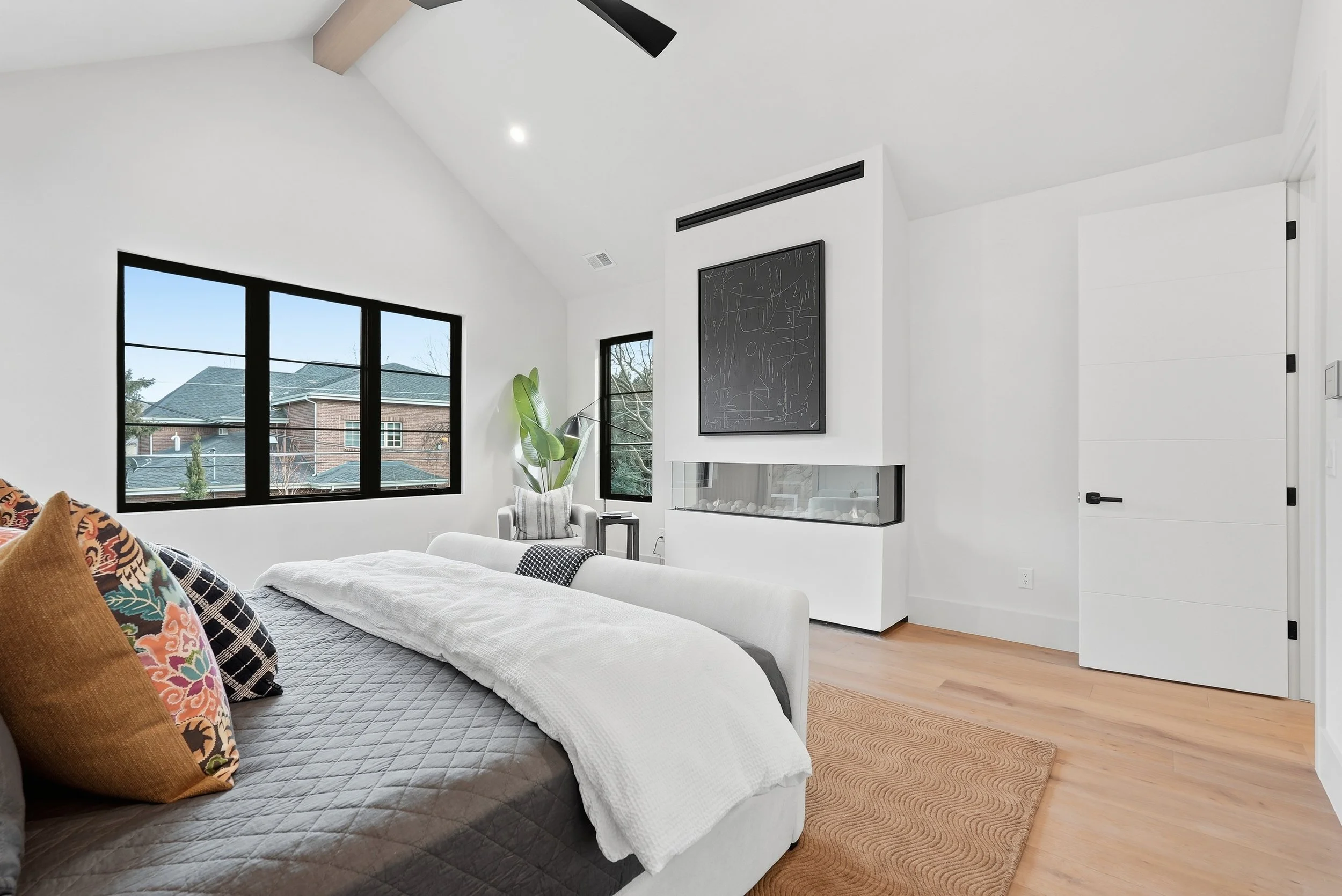
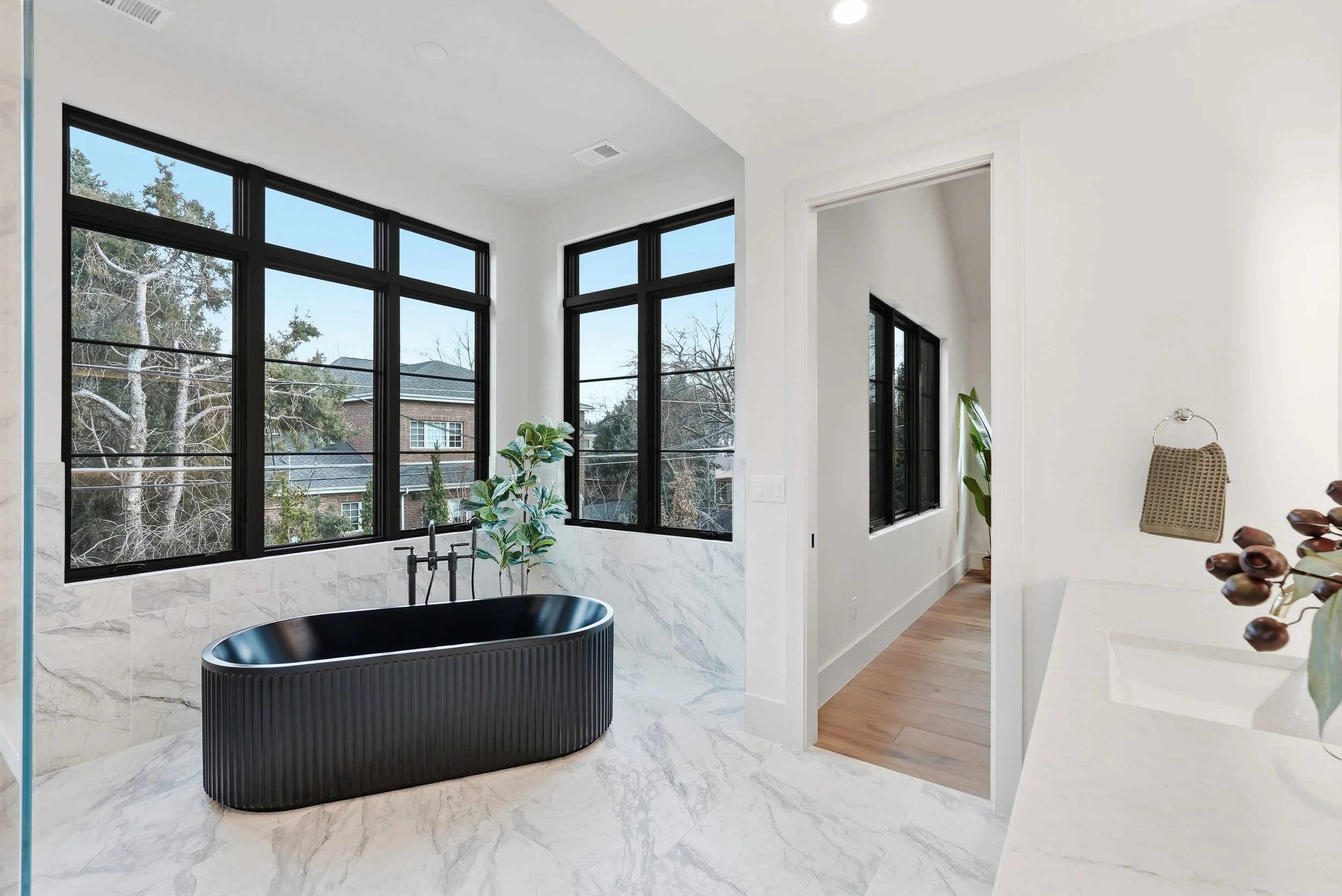
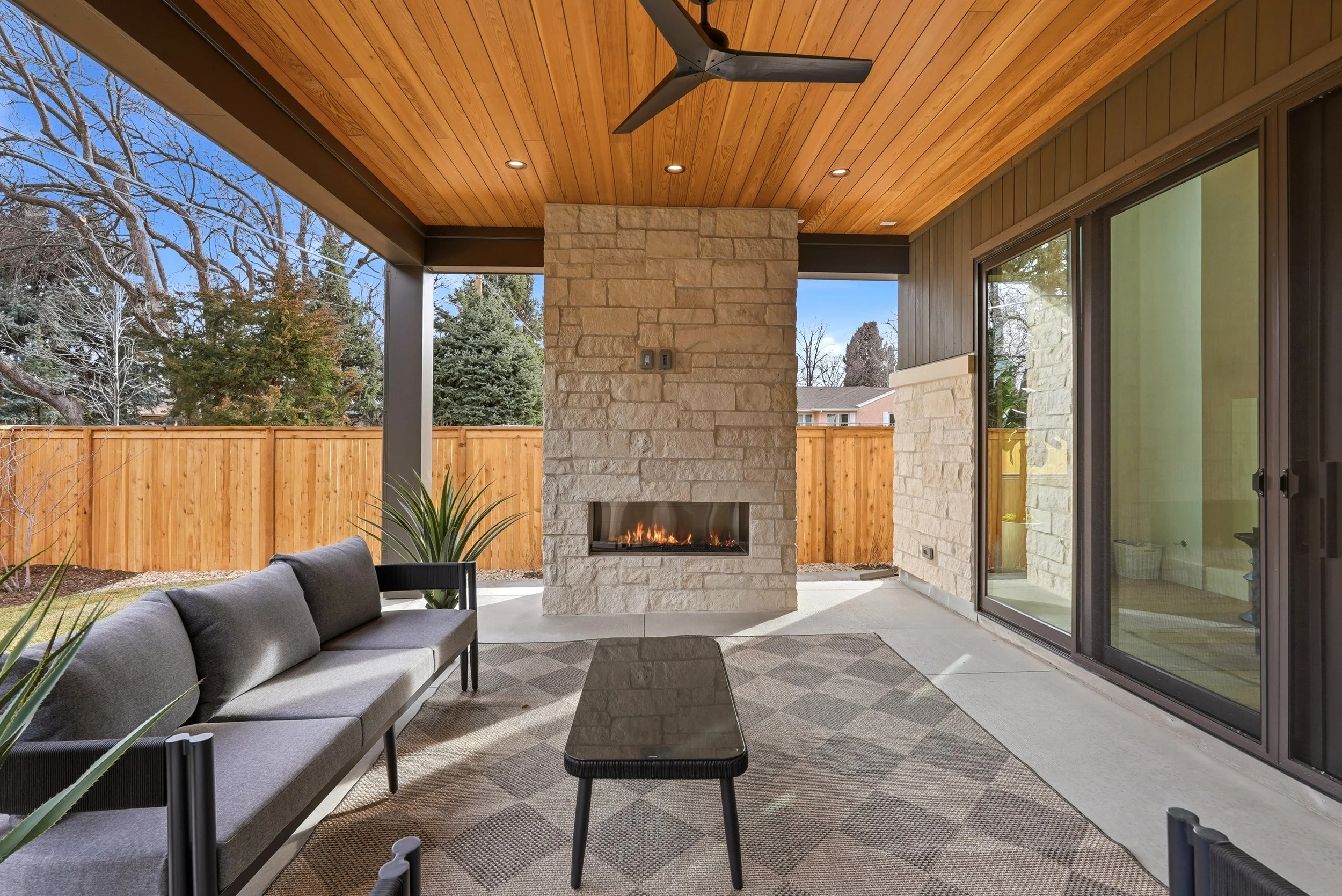
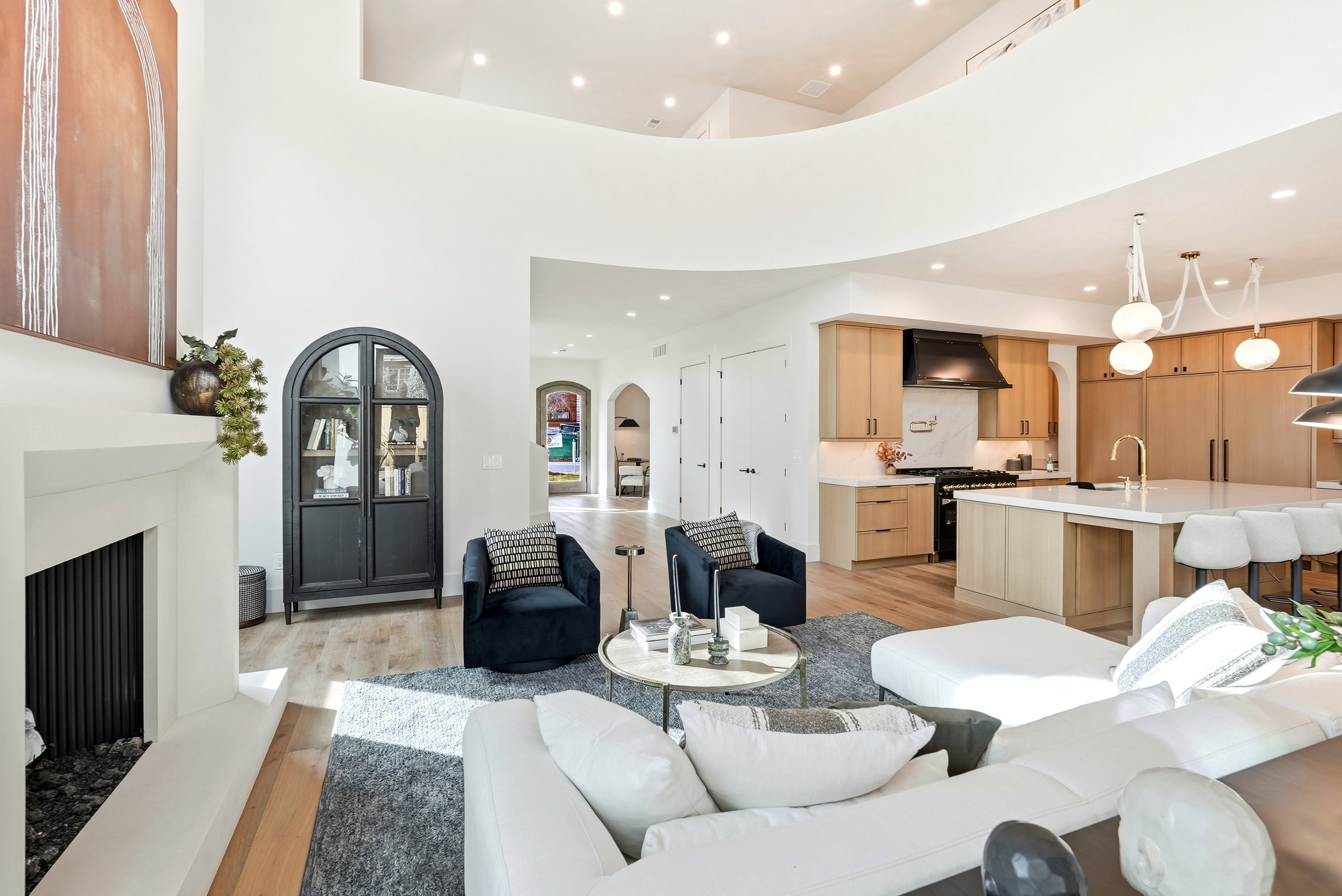
Good design thinks ahead.
A home should work beautifully on the day you move in, but the best homes are designed for much more than that. They anticipate how life may change, how routines may evolve, and how the spaces you rely on today might need to serve you differently years from now.
That kind of thinking begins long before construction. It starts with understanding how you live now. Where do you spend the most time? How do you move through the house in the morning? Where do guests naturally gather? What spaces need to feel connected, and where do you want privacy?
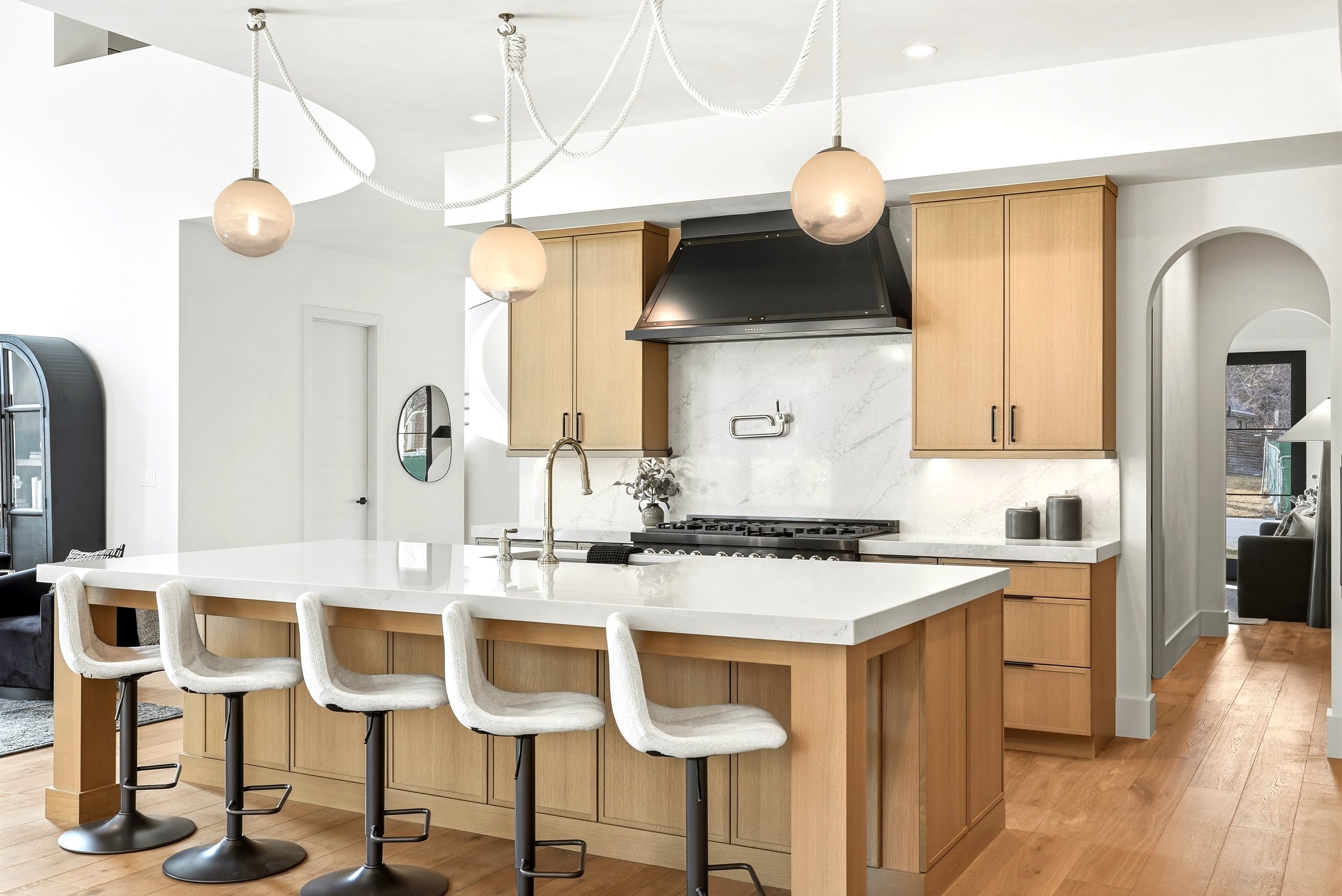
Those questions shape a home in ways that are easy to overlook when the focus is simply on square footage or a list of rooms. A kitchen, for example, is not just a kitchen. It is often where mornings begin, where homework happens, where friends gather, and where people naturally end up during a party. Designing it well means thinking about circulation, storage, lighting, seating, sightlines, and how it connects to the rest of the home.
The same is true for spaces that may not get as much attention.
A mudroom can be designed around the way a family actually comes and goes. A pantry can take pressure off the main kitchen. A laundry room, or two, can be located where they makes daily routines easier. An office can be designed to serve one purpose today and another later. These decisions may not be the first things someone notices when they walk into a home, but they are often the things our homeowners appreciate most over time.
Thinking ahead also means considering how a home can adapt. Families grow. Children move out. Work patterns change. Parents visit for longer stretches. Hobbies evolve. What feels essential at one stage of life may look very different a decade later. A flexible room can become a bedroom, office, studio, or fitness space. A main level suite can provide options for the future. Wider circulation paths, thoughtful storage, and accessible transitions can make a home easier to live in without changing its character. The goal is not to design around every possible scenario. It is to create a home with enough flexibility to respond gracefully when life changes.
Technology is another area where early planning matters. Lighting, shades, climate, security, audio, and other systems are most successful when they are considered as part of the architecture rather than added at the end. When those decisions happen early, technology can feel almost invisible. The home simply becomes easier to use.
Materials deserve the same kind of long term thinking. A finish can be beautiful, but it also needs to make sense for the way the space will be used. The right material for a quiet powder room may not be the right material for a busy entry. A dramatic surface may photograph beautifully, but durability, maintenance, and aging matter just as much. This is where an integrated design and build process becomes especially valuable.
Architecture, interiors, construction, and furnishings all influence one another. A change in one area can affect everything from framing and lighting to cabinetry and furniture placement. When those disciplines are considered together from the beginning, the final home feels more intentional because the decisions were made as part of a complete picture.
Good design is not only about what looks beautiful today. It is about creating a home that continues to feel thoughtful, comfortable, and relevant years from now. The most successful custom homes do not simply respond to the way you live at one moment in time. They give you room to change.
That is what it means to design ahead.